Flood Warning in the
City of Bonn, Germany
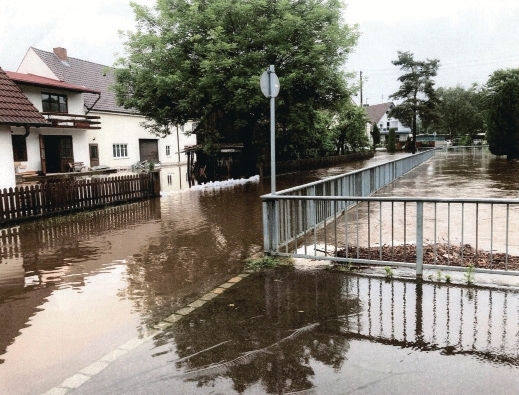
Although storm warnings had announced heavy precipitation, it wasn’t sure when and were exactly it would take place. It was also not certain whether the streams would be able to withstand the flood runoff. This is because many influencing factors depend on local conditions, such as the absorption capacity of the soil or whether the water can flow unhindered in the streams. The city of Bonn wanted to provide more clarity and make small-scale weather forecasts more precise. In this context, the “Alarm Level” project of the city’s civil engineering office attracted a great deal of attention. Around the clock, the water level is monitored fully automatically at neuralgic points of the local “Mehlemer” and “Godesberg” streams. In addition, video cameras are in use at three bridge passages so that not only water levels but also pictures of the on-site situation are transmitted to the control center. Precipitation values supplement the data. This makes it possible to warn residents in a more targeted and timely manner so that they can take the last protective measures.
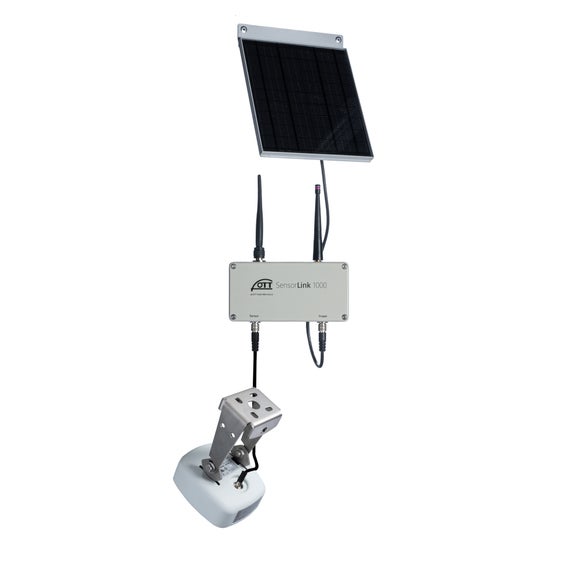
In addition, the city is focusing on preventive and educational measures. On the Internet, citizens can find information on how they can protect their homes and yards from flooding themselves and what they should do in an emergency. Construction measures such as a discharge channel at the Mehlemer stream or the installation of coarse screens in the upper course of the streams help to drain the water masses and keep passages free. A special challenge was a solar supply despite the router and camera technology used causing a higher energy demand.
Monitoring Solution - radar level gauges, pressure probes, IP dataloggers, solar panels and rugged cabinets
form the new monitoring stations
Decisive time advantage through sophisticated measurement technology
Level monitoring is currently concentrated on the Bad Godesberg district, as residents there have been particularly affected by damage caused by flooding. The aim is to limit storm warnings locally and to detect stream overloading at an early stage. For this purpose, two streams with a high damage potential and, in some cases, large catchment areas were equipped with measuring stations at twelve critical points. OTT sensors measure the water level continuously and transmit the data via UMTS/LTE to a traffic computer. If critical rise rates or threshold values are exceeded, the system sends warning and alarm messages to the Bonn fire brigade and the neighbouring control centre of the Rhein‑Sieg district. In emergency situations, siren alarms are triggered. In addition, live images from installed webcams are transmitted from alarm level 1 onwards, showing whether key bridge crossings are passable or whether emergency services need to be deployed to remove floating debris and refuse. While the monitoring concept cannot prevent a flood wave, it does provide emergency services and citizens with a valuable time advantage, helping to mitigate the worst impacts. Approximately 20 existing OTT Pluvio instruments were integrated into the monitoring network.
Project specification
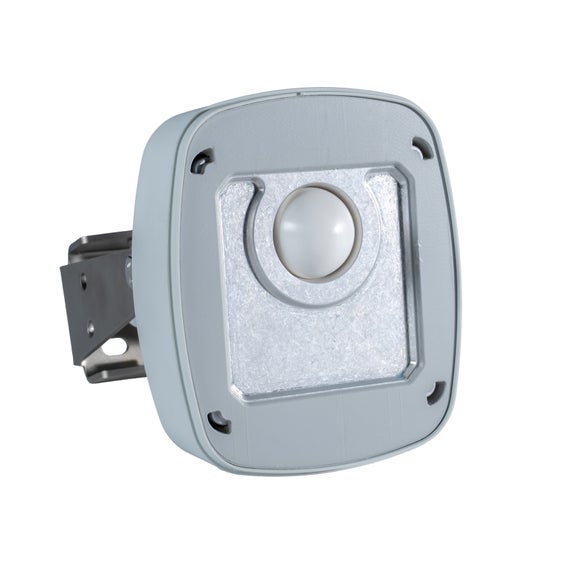
- 7 OTT RLS radar level sensors for water level measurement
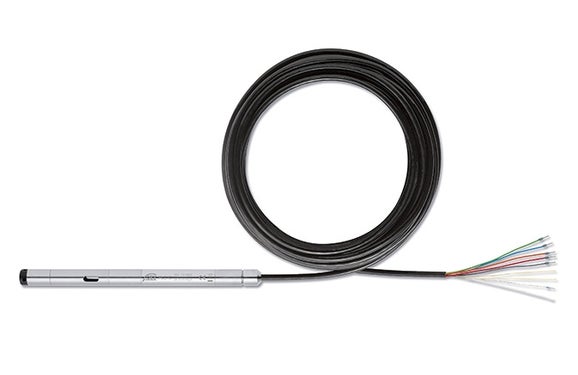
- 1 OTT PLS pressure sensor for water pressure monitoring
- 8 video cameras at bridge passages providing live images
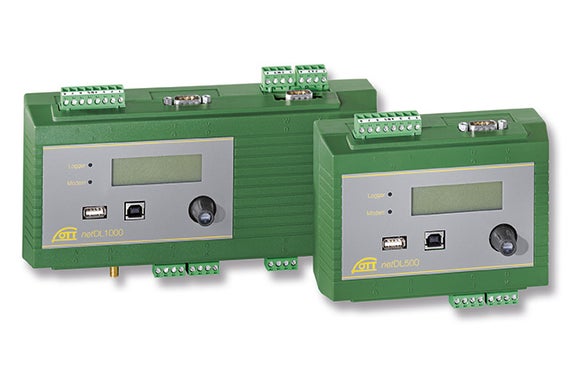
- 8 OTT netDL 1000 IP dataloggers for data handling
- 7 solar panels supplying power at all measurement sites
- 7 vandalism‑safe cabinets for system integration
Conclusion
Medium-term, alarm levels are to be installed in the Bonn area at all streams with a higher damage potential and the precipitation measurement network should also grow. In view of the unpredictability of natural events, however, a warning system can never be absolutely reliable. “In the future, it may still happen that a warning message fails to appear or false alarms are triggered,” says the head of the civil engineering office, Peter Esch.
But in most cases, the new system will detect the danger before it is too late.
- OTT RLS: Compact and robust radar sensor which is installed outside the water for sites where a lot of debris is expected.
- OTT PLS: Pressure sonde with insensitive, long-term stable ceramic measurement cell and rugged stainless steel housing for gapless data around the clock
- OTT netDL 1000: Energy-efficient IP datalogger with comprehensive alarm management functions and ethernet interface for the connection of IP cams.