Harris County Flood Warning System



Storm Water Services (CMSWS) is responsible for stormwater flood mitigation and climate-resilience operations across the Charlotte–Mecklenburg region in North Carolina. With more than 60 waterways flowing through highly urbanized, flood-prone basins, the county relies on accurate, real-time data to protect residents, critical infrastructure, and emergency responders.
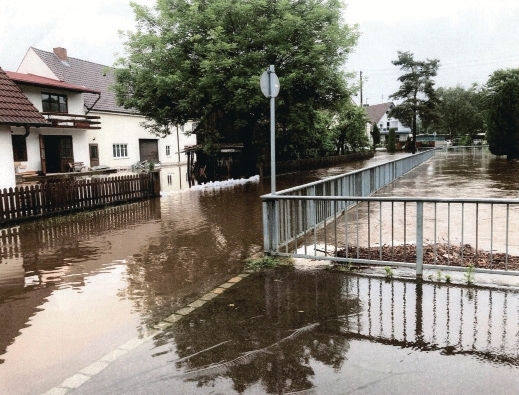
Following severe flood events in 1995 and 1997 that caused more than USD 65 million in damage, CMSWS recognized the need to modernize its flood monitoring capabilities. At the time, data was fragmented across multiple sources, communication protocols varied, and there was no unified platform for alerting or visualization. As urban development continued to increase flood risk, the county required a scalable, integrated flood warning network capable of delivering real-time situational awareness and automated inundation modeling.
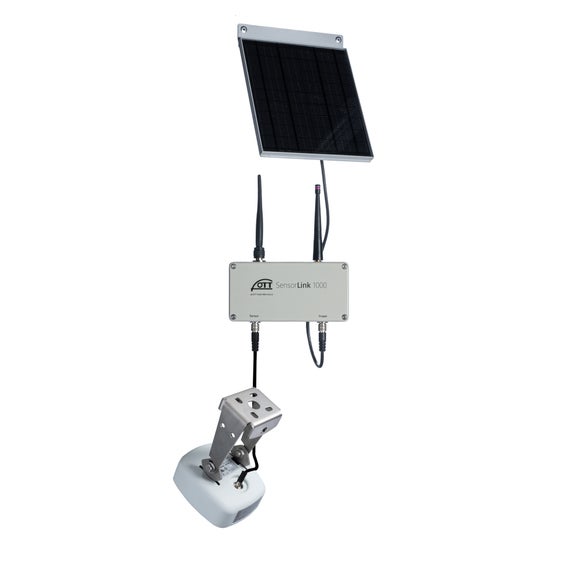
To address these challenges, CMSWS set out to deploy a cost-effective, high-density network of flood sensors across vulnerable waterways. The goal was to integrate water-level, rainfall, and USGS gage data into a single Flood Information Notification System (FINS) and Contrail platform, improving warning accuracy, response times, and real-time flood intelligence. CMSWS expanded its existing FINS by incorporating cost-effective OTT flood sensors and radar level sensors, alongside USGS stream gauges and county rain gauges. All data streams were unified within Contrail, providing centralized visualization, automated alarms, camera integration, and real-time inundation and flood-extent mapping.
Today, the county operates a single, countywide flood monitoring network with more than 130 real-time monitoring points. Automated inundation modeling executes within minutes, enabling faster post-event analysis and more informed decision-making during active flood events.
The system now covers approximately 65 percent of FEMA zones and 95 percent of high-risk buildings, significantly improving situational awareness for CMSWS and first responders. By centralizing reliable, real-time data across agencies, Mecklenburg County has reduced false alarms, accelerated emergency response, and enhanced public safety. The solution has become one of the most comprehensive urban flood monitoring networks in the United States and now serves as a scalable model for other municipalities seeking to strengthen flood resilience.